

Articles
Indigenous Peoples and the 2026 AGM Season
During the 2026 annual general meeting (AGM) season, investors filed four shareholder proposals regarding the rights of Indigenous Peoples. This report reviews these four proposals involving companies in the banking, mining, energy, and automotive sectors.
Indigenous Peoples and the International Finance Corporation (IFC)
Tallgrass Institute’s primer on the International Finance Corporation (IFC), the private lending arm of the World Bank Group details Indigenous Peoples’ rights in the IFC’s sustainability framework and performance standards. Beyond lending activities, the IFC shapes how global private finance approaches environmental and social risks.

Poor Indigenous Peoples’ Rights Due Diligence Still Impedes the Auto Industry’s Rights-respecting Potential
Lead the Charge's fourth annual automotive supply chain leaderboard reported an industry average of 9% on Indigenous Peoples’ rights. While acknowledging slow progress year-over-year, the report noted the largest number of companies making improvements since the leaderboard first launched in 2023. Automakers taking initial steps on Indigenous Peoples’ rights were in the majority (12 out of 18) for the first time, and half of the companies improved their scores from last year.

Stewardship in Action
This year we will focus on stewardship in action. At Tallgrass, we will telegraph the complexity and nuance faced by Indigenous leaders in a rapidly changing business and geopolitical environment. And while this complexity continues to be undervalued by the market, the risk profile of failing to recognize Indigenous Peoples and to integrate their concerns into investment criteria is unchanged.

Indigenous Peoples’ COP30 Priorities and Investor Recommendations
From no-go zones to direct funding of Indigenous climate action, Indigenous leaders and investment experts discussed key priorities and investor stewardship recommendations in Investor Briefing on Indigenous Peoples’ COP30 Priorities.
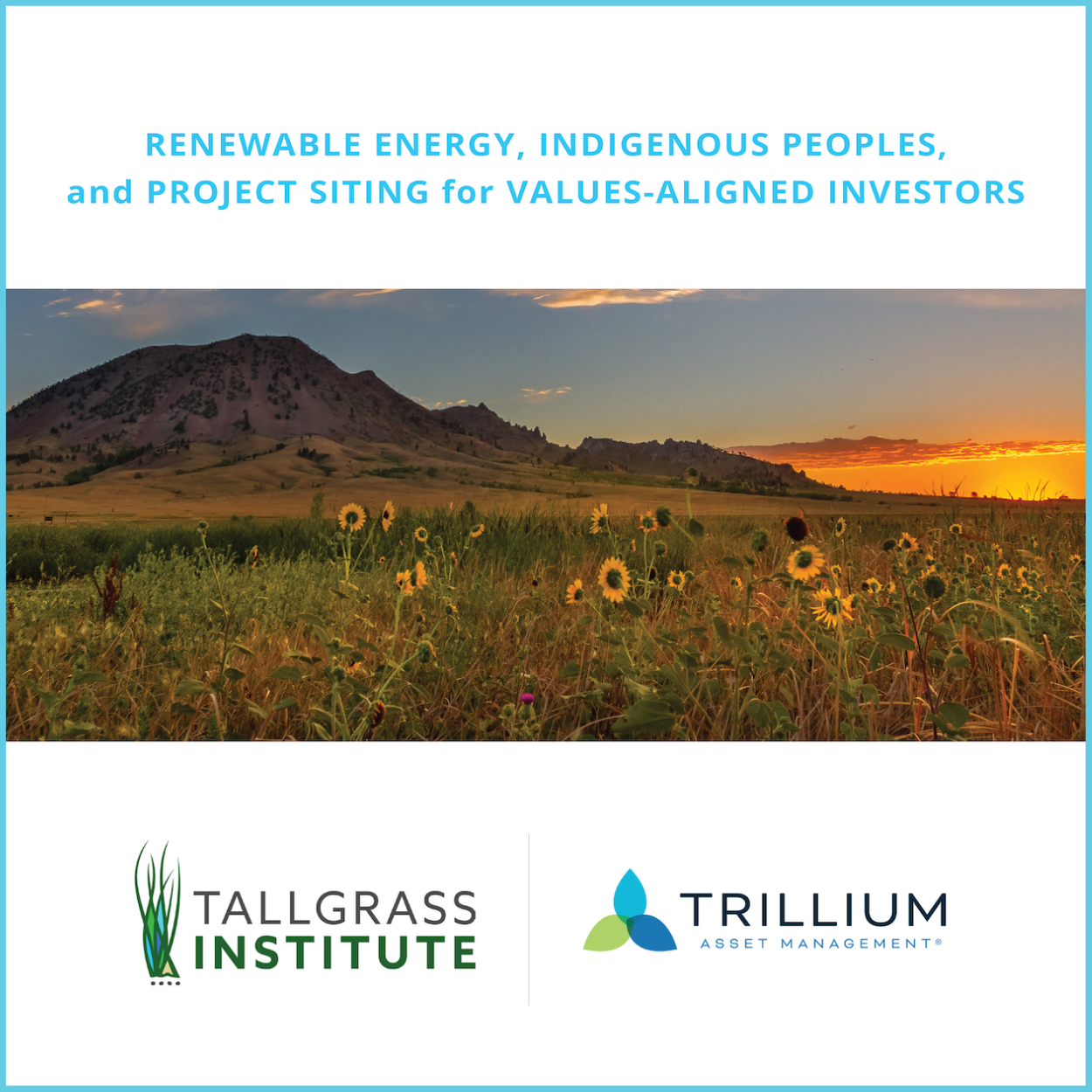
Renewable Energy, Indigenous Peoples, and Project Siting for Values-Aligned Investors
This report helps investors vet renewable energy projects at the siting phase for the highest level of rights risk mitigation and to bring durable benefit to investors, companies, and Indigenous Peoples.
Indigenous Peoples and the Initiative for Responsible Mining Assurance (IRMA)
A primer on the Initiative for Responsible Mining Assurance (IRMA), from structure and how mining audits work, to key improvements and gaps in proposed revisions the Standard's Indigenous Peoples and FPIC chapter.
New Research Examines Best Practices and Provides Historical Context for Designing Agreements with Tribal Nations in the U.S.
Tribal Benefit Agreements: Designing for Sovereignty, new research from Tallgrass Institute provides essential context and considerations for Tribal Benefit Agreements (TBAs) that respect self-determination and provide benefits in accordance with Native Peoples’ own goals.
Tallgrass Institute Publishes FPIC Due Diligence Guide for Insurers
Tallgrass Institute’s Free, Prior and Informed Consent Due Diligence for Insurers provides insurance companies with a framework to operationalize due diligence to respect the rights of Indigenous Peoples, grounded in their right to FPIC.
Indigenous Peoples and the Consolidated Mining Standards Initiative
Analysis raises concerns about CMSI’s low threshold for FPIC and lack of an independent method to include affected Indigenous Peoples’ input. Improvements would ensure that mining projects minimize harm and affirm Indigenous sovereignty and decision-making authority.

Despite Some Gains, Indigenous Peoples’ Rights Remain Lowest-Scoring Indicator in Third Annual Clean Car Report
Global automakers are exposed to material, operational and reputational risk from persistent failings to account for rights violations and impacts to Indigenous Peoples throughout supply chains. How can the industry rise from a 6% average to eliminate the risk of harm to Indigenous Peoples?

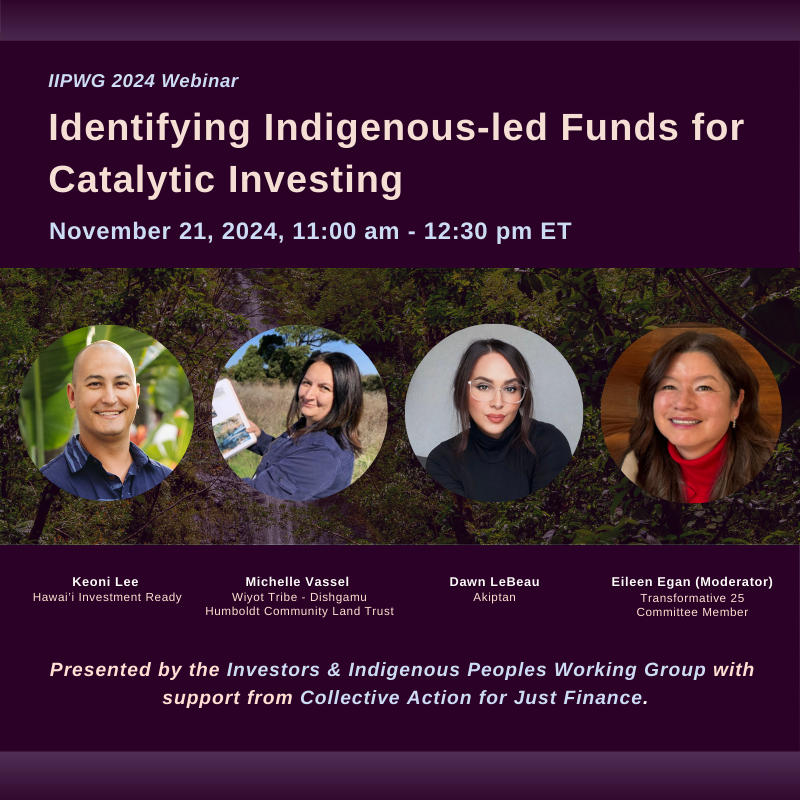
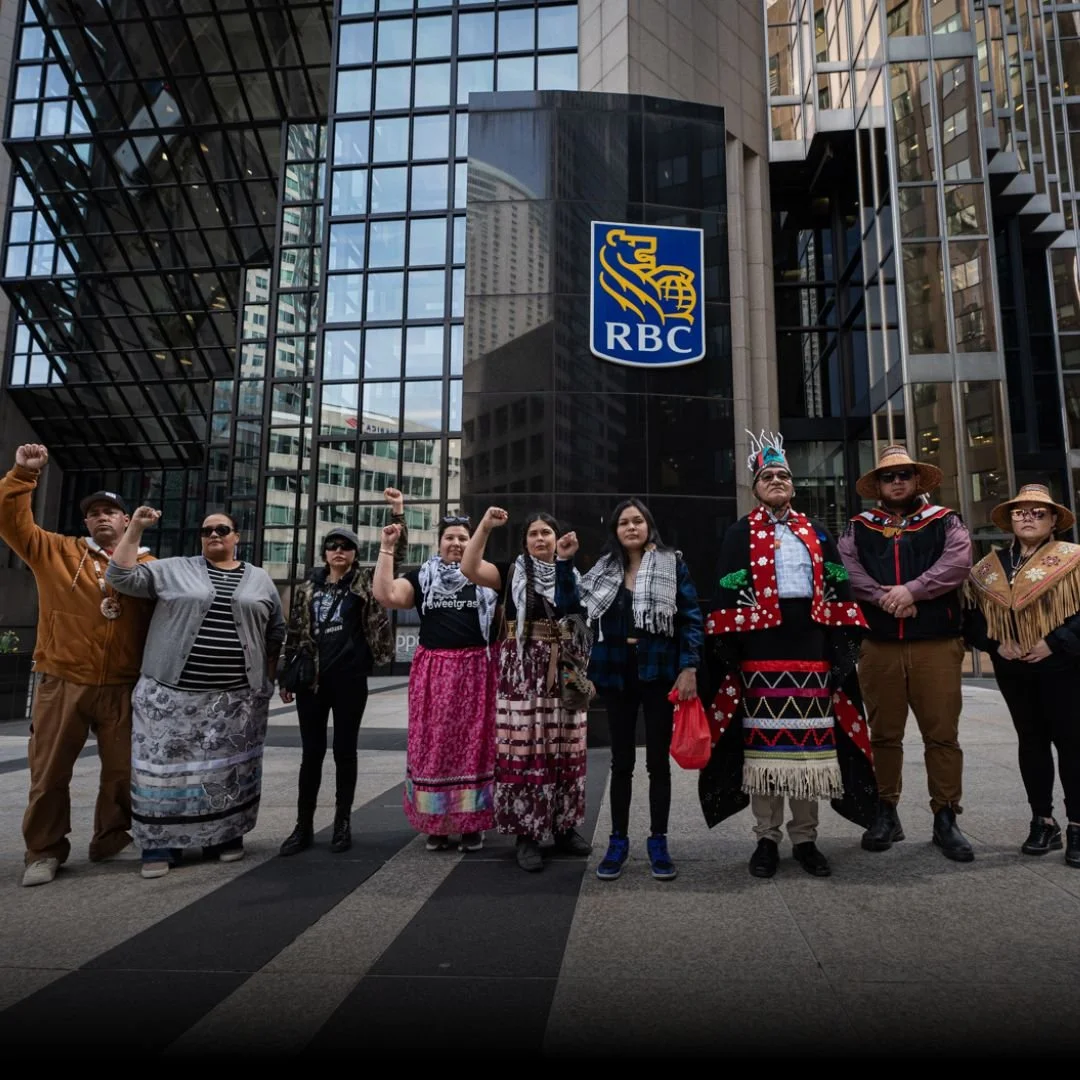
Indigenous Peoples' Rights and Participation in 2024 AGM Proposals – Report
This report examines Indigenous Peoples’ attendance and engagement at the annual general meeting (AGM) of shareholders of large companies. The report covers nine major shareholder...
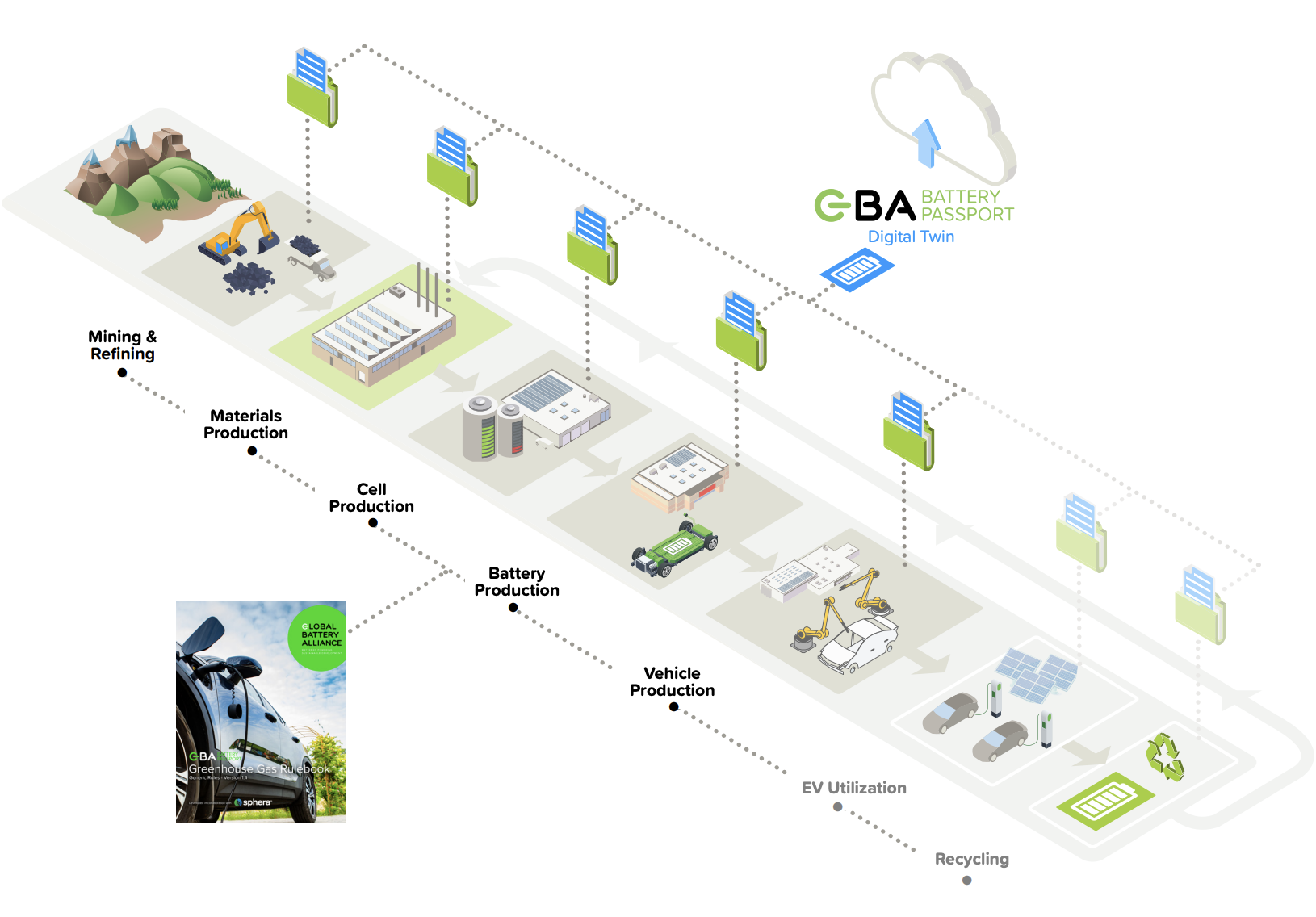
Global Battery Alliance’s Battery Passport: Implications for Indigenous Peoples and Opportunities for Feedback
Primer on the Global Battery Alliance's Battery Passport initiative, plus opportunity for Indigenous leaders to provide feedback on their Indigenous Peoples' Rights Rulebook.
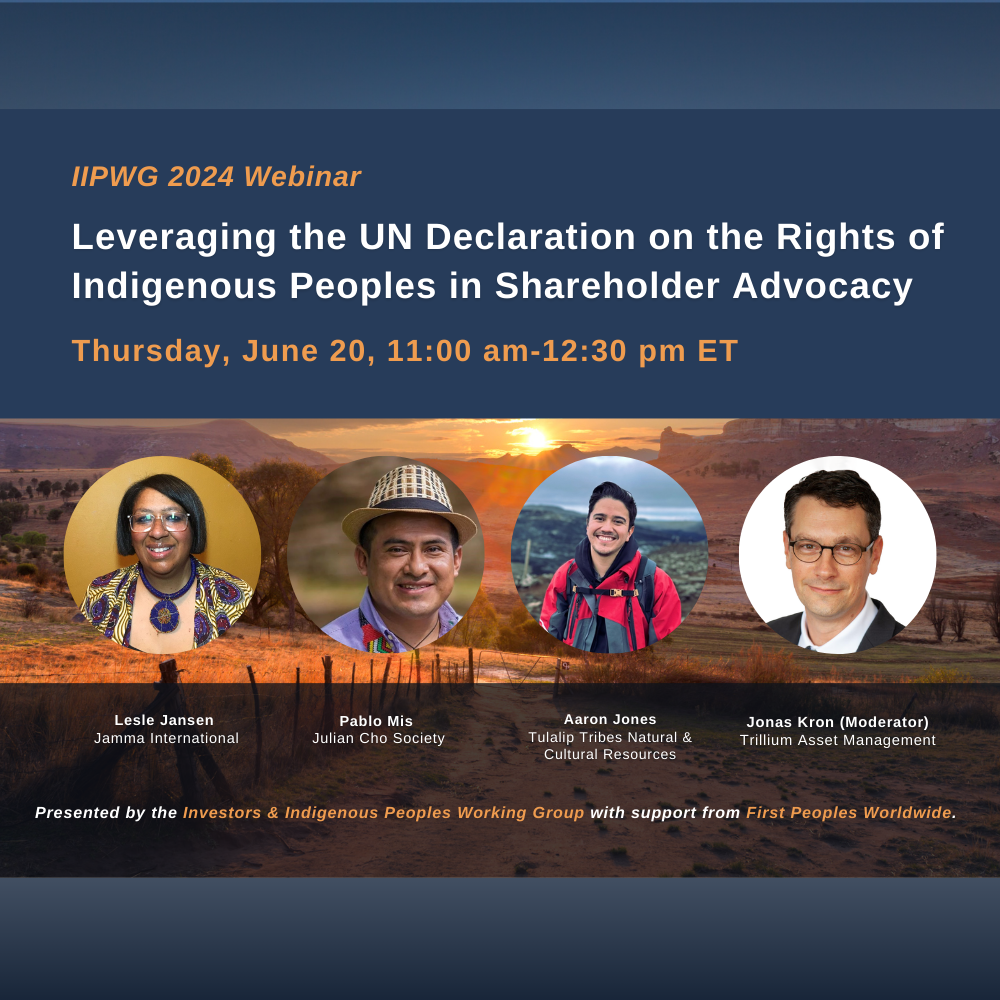
Indigenous Leaders Urge Investor Action for UNDRIP Implementation, Share Expertise and Experiences
Hosted by the Investors & Indigenous Peoples Working Group, Indigenous leaders from South Africa, Mexico and the United States shared their experiences and recommendations to leverage the UN Declaration on the Rights of Indigenous Peoples (UNDRIP) to protect the full extent of Indigenous Peoples’ rights and self-determination.
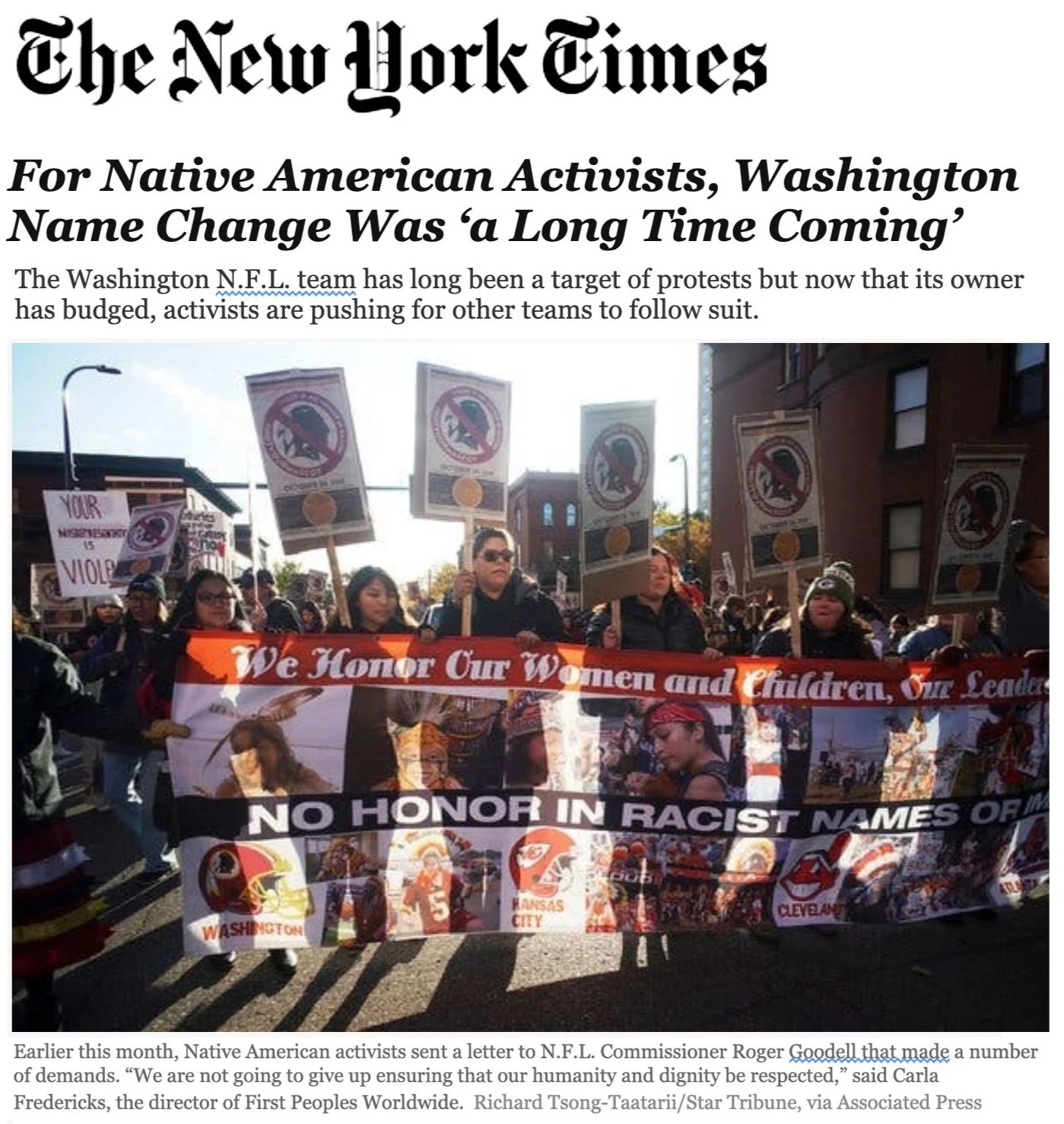
Native and Investor-led Advocacy to Change the Washington Football Team’s Name: A Timeline
For over fifty years, combined action on the frontlines, in courtrooms, in boardrooms and on the corporate floor advocated for the retirement of the Washington, DC NFL team’s racist name and logo. The following timeline highlights key moments of Native-led advocacy and investor and shareholder engagement that brought the change.
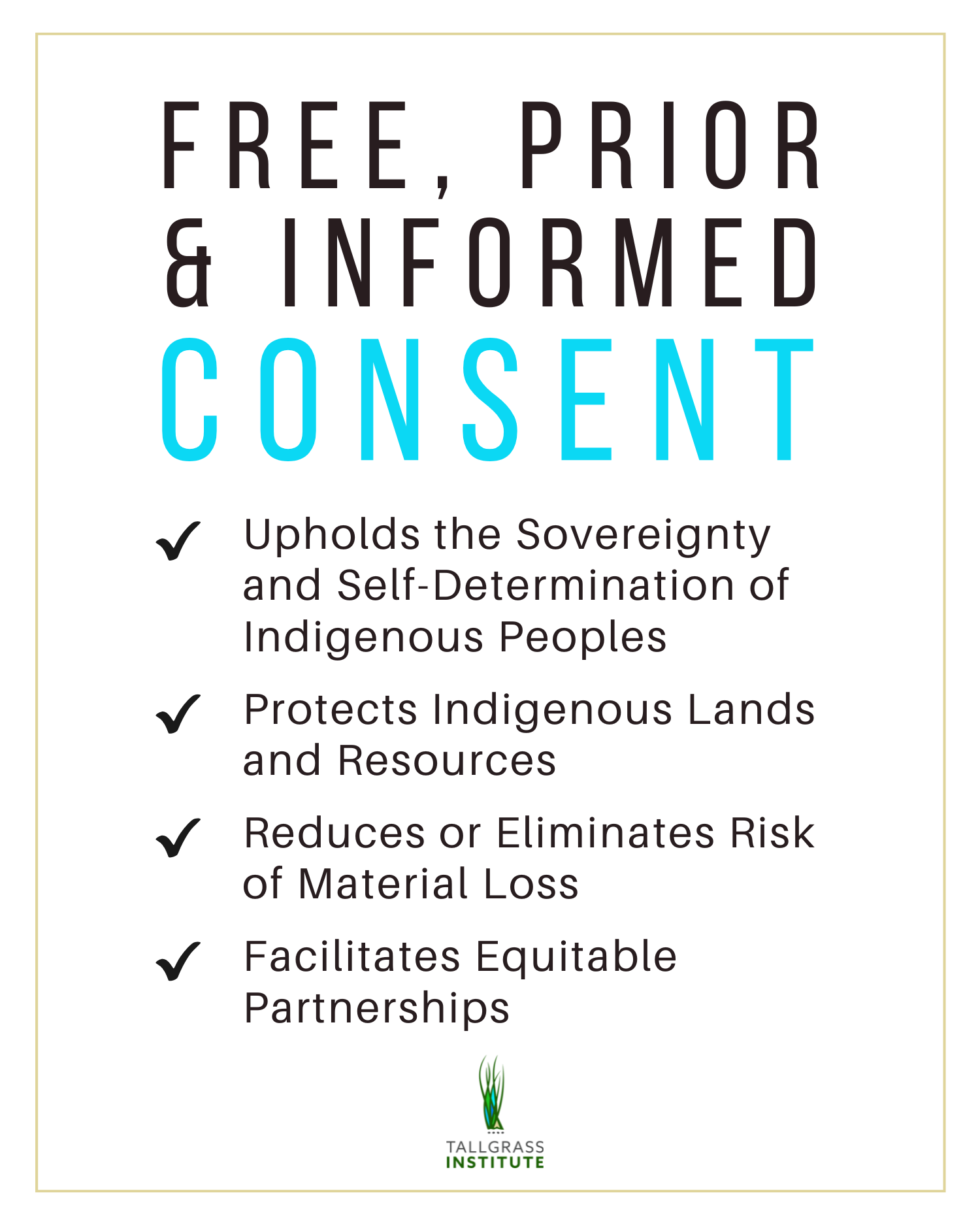
Indigenous Peoples’ Free, Prior and Informed Consent: A Priority for Human Rights Due Diligence
The due diligence and process necessary when obtaining free, prior and informed consent upholds Indigenous Peoples’ right to self-determination and their sovereignty, respects and protects Indigenous lands and resources, reduces or eliminates risk of physical harm and material loss, and facilitates equitable partnerships throughout the duration of a project lifecycle and long afterwards.