
News of Note 10/10/25: Grave Situation for Indigenous Peoples in Russia, Heineken Plant Taps Mayan Water, Indigenous Clean-up of Guatemala Pollution
Top Stories
UN Reports Highlight the Grave Situation of Indigenous Peoples’ Rights in the Russian Federation (Cultural Survival)
“The CESCR [UN Committee on Economic, Social and Cultural Rights] expressed concern about human rights defenders [in Russia, recommending] Strengthening efforts to ensure the right of Indigenous Peoples to own, use, control, and develop the lands, territories, and resources they have traditionally owned, occupied, or otherwise used or acquired [...] [A separate report from the UN Special Rapporteur on the situation of human rights in the Russian Federation] points out that Russia's Indigenous Peoples remain among the most vulnerable groups, some of whom are on the brink of extinction.”
Trouble brewing: Maya people in Yucatán fear new Heineken plant’s thirst for water (The Guardian)
“To many of Yucatán’s Maya people, the plans for the Heineken factory are seen not as a promising development, but as a continuation of a deeper problem: of government-backed industrial developments that threaten water supplies and human rights, leaving local communities caught in an uneven conflict to protect their cultural and environmental survival.”
How Indigenous Guatemalans Fought Pollution Themselves (Impakter)
“On July 23, 2025, Indigenous Guatemalan activists descended to the shores of their beloved Lake Atitlán and, with nets, tubs, and buckets, removed thousands of farmed tilapia. For months, they had argued that the fish contaminated the lake and should be confiscated. [...] Over two months later, the incident remains a flashpoint in a larger power struggle in Santiago Atitlán, a city of approximately 50,000 in the Guatemalan highlands. Led by traditional Indigenous authorities, protestors are now surrounding the city’s Municipal Building day and night....”
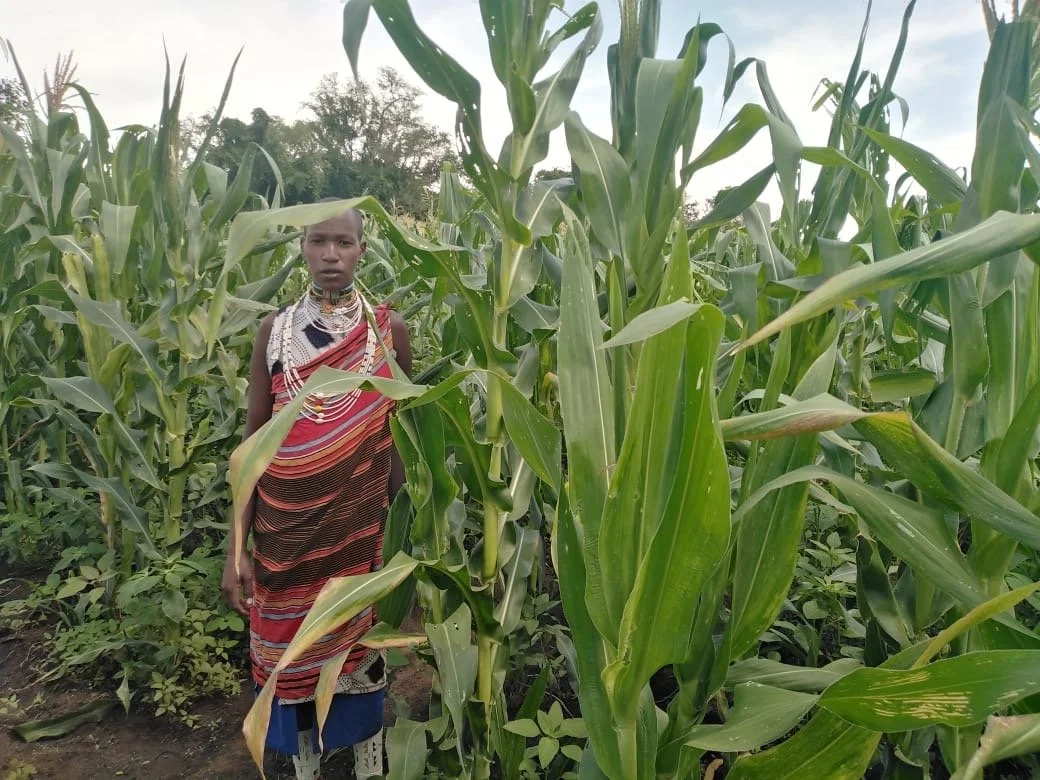
Debates Indígenas October 2025
The Indigenous Navigator: from Data Collection to Self-Determination
From Data to Action: Community-Based Irrigation for Food Security among Maasai Women in Kenya
Empowerment through Data: a Nepalese Community’s Path to Self-Determination
Self-Managed Data that Supports Advocacy: the Experience of the Txawun of Temuco
Indigenous Navigator: a New Era for Indigenous Peoples in Bangladesh
Recovering the Land to Recover Everything: the Misak People and Participatory Surveys
More News
Indigenous Peoples call for just energy transition (Office of the United Nations High Commissioner for Human Rights)
Why Companies Need to Respect Indigenous Land Rights (Knowledge at Wharton)
What Is Reparative Capital and Why Does It Matter? (Nonprofit Quarterly)
Community: FPIC must be written into law to make a real difference (The Edge Malaysia)Ecuadorian Indigenous people denounce state repression in protests (Presna Latina)
New road in Peruvian Amazon sparks fear of invasion among Indigenous Shawi (Mongabay)
Millions in subsidies for mineral exploration undermine Indigenous rights (Canadian Dimension)
Reconciliation Action Plans In Canada: Origins, Issues and Opportunities (Reconciliation & Responsible Investment Institute)Supreme Court declines to hear Native American fight to save sacred site threatened by copper mine (CNN)
Caribou vs. drilling: U.S. politics and the new phase of a multi-generational struggle in the Yukon (The Narwhal)
How California’s Legacy of Violence Against Indigenous People Impacts the Present Day (Literary Hub)
Honoring Indigenous Peoples’ Day Must Include Justice for Native Women (Amnesty International)
Photo via Debates Indígenas.