
Tallgrass Institute - Fall 2025 Newsletter
Dear Friends and Colleagues:
Our work as a Center for Indigenous Economic Stewardship is to care for — with intentionality, time, and foresight — Indigenous economic visions as part of building strong and healthy communities. I’m so excited to share our progress over this growing season with you.
Over the last quarter, we connected Indigenous leaders to investors – through direct engagements, discussions around emerging issues for Tribes in the U.S., and publications – to build investor knowledge and action towards integration of Indigenous priorities even as we see constriction of investor leverage in the U.S. Our work is responsive to the generational view that Indigenous Peoples carry, and our role in this tense geopolitical moment is to keep the high-water mark for Indigenous Peoples and FPIC.
Our research on Tribal Benefit Agreements and our third-annual report on Indigenous Peoples’ participation at annual corporate meetings show that leading with Indigenous Peoples’ insights and expertise derisks projects and creates opportunity for rights-based engagement for all parties.
We share our gratitude to all who have supported our strategic move to our fiscal sponsor Earth Island Institute, which allows us to carry forward the excellence and expertise that we have developed for nearly a decade. The transition provides ample runway to continue our core programming, and we remain nimble to the moment while adhering firmly to our remit to redefine the private sector’s role as one that respects Indigenous Peoples’ rights, lands, and economic priorities.
Kate R. Finn
Founder & Executive Director
Recent Activity

Report: Indigenous Peoples' Rights and Participation in 2025 AGM Proposals
Our third annual AGM report examined seven major shareholder proposals in the U.S. and Canada that Indigenous Peoples and investors partnered to submit in 2025. With proposals submitted in the banking, energy, and food and beverage industries, several insights emerged:
Proposals center on evaluating and improving corporate policies and practices on free, prior and informed consent (FPIC), environmental justice, and Indigenous reconciliation;
Several achievements include JP Morgan Chase’s disclosure of FPIC consideration in general corporate finance and EQB’s commitment to adopt a Reconciliation Action Plan (RAP) and become certified by an Indigenous-led standard; and
The seven submitted proposals in 2025 represent a decrease from nine proposals in 2024 and twelve proposals in 2023, which is likely related to successful withdrawal agreements and new U.S. Securities and Exchange Commission (SEC) rules.
Read the full report, including sample resolutions for the banking and energy sectors.
New Research Examines Best Practices for Tribal Benefit Agreement Design
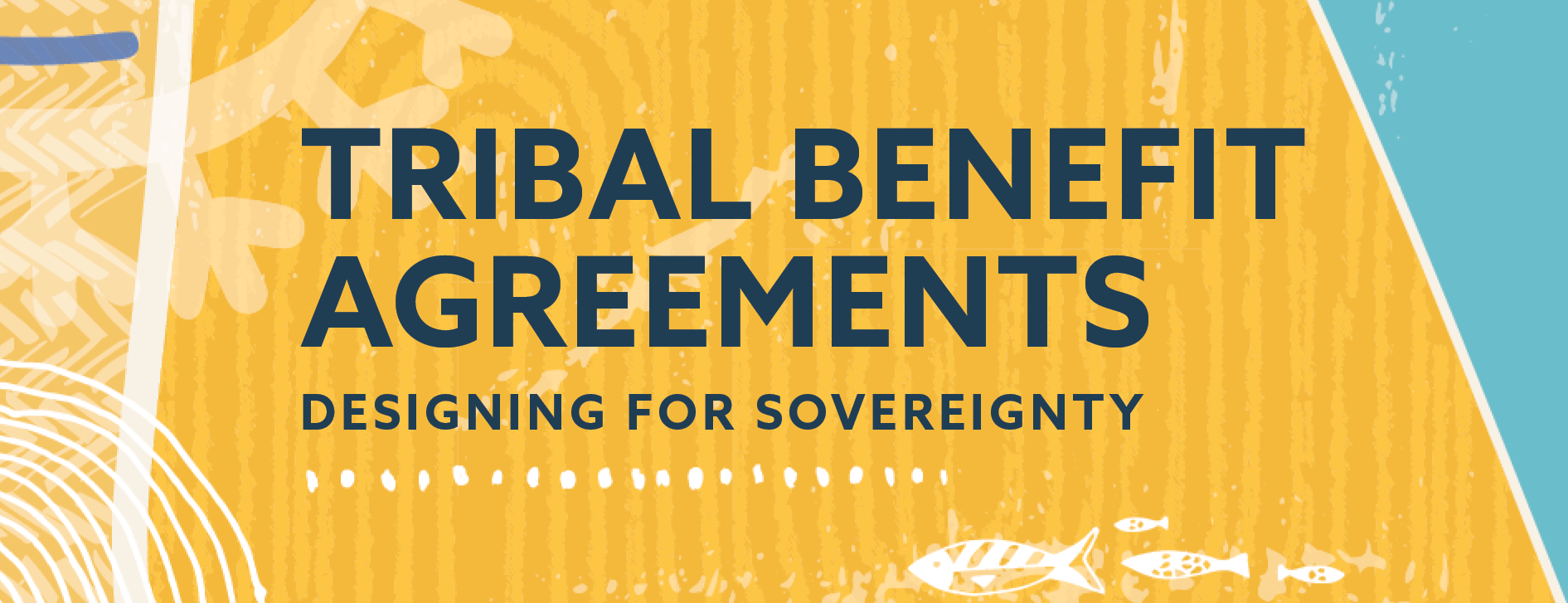
Tallgrass Institute and Lepwe Inc. published Tribal Benefit Agreements: Designing for Sovereignty to provide critical context and information to initiate, negotiate, and complete equitable and right-based agreement design with Tribal Nations in the U.S. “As Tribes and companies grow in their focus on creating objective, measurable, enforceable agreements and on effective implementation, Tribal Benefit Agreements are better able to deliver on their promises,” says the report. Read more and download the report.
Free, Prior and Informed Consent Due Diligence for Insurers
The Free, Prior and Informed Consent Due Diligence for Insurers guide provides insurance companies with a framework to operationalize due diligence to respect the rights of Indigenous Peoples, grounded in their right to FPIC. The guide, which is supplemental to Tallgrass Institute’s Free, Prior and Informed Consent Due Diligence Questionnaire discusses the insurance business case for FPIC due diligence and delineates questions insurance underwriters should ask to integrate respect for Indigenous Peoples into business operations. More resources here.
Emerging Issues and Priorities for Tribal Nations in the U.S.
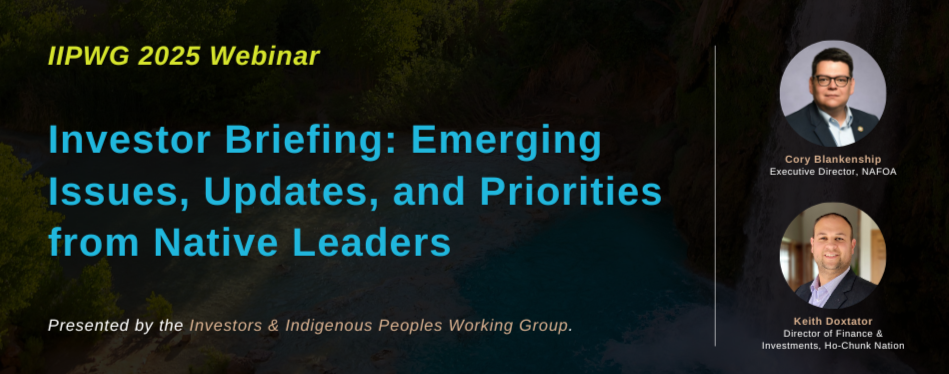
The investor briefing Emerging Issues, Updates, and Priorities from Native Leaders, produced for the Investors & Indigenous Peoples Working Group, highlighted the formation of the Coalition for Tribal Sovereignty and emphasized the importance of relationship building with policymakers and investors. Watch the video.
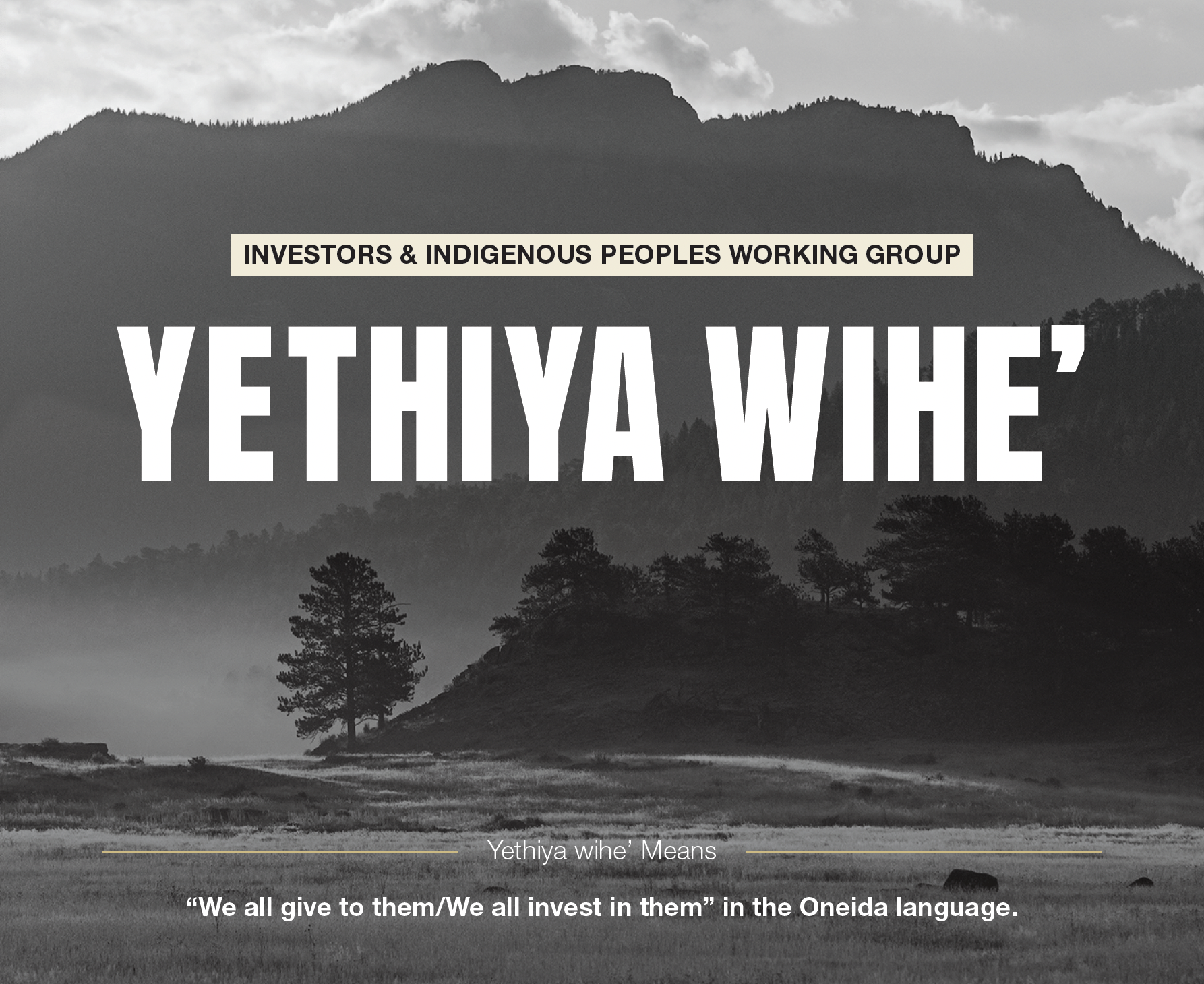
IIPWG
Recent Investors & Indigenous Peoples Working Group (IIPWG) calls shared engagement updates with companies in the banking, mining, automotive, renewable energy, and hospitality industries. Presentations included context and recommendations from an Indigenous Peoples’ declaration calling for reforms to global certification schemes and a declaration from Indigenous leaders in the Amazon basin affirming priorities for the 2025 UN Climate Change Conference (COP30) in November.
Find further takeaways and related resources in the June, July, and August IIPWG newsletters.
Tallgrass Institute serves as Secretariat for IIPWG, which comprises a broad coalition of investors and finance leaders who work to address challenges facing Indigenous Peoples globally and to mainstream Indigenous Peoples' rights in responsible investment. See past webinars, newsletters, and other resources. If you would like to learn more about IIPWG, please email info@tallgrassinstitute.org or join the mailing list.
Upcoming Events
A Just Climate Transition - Protecting Indigenous People's Rights While Ensuring a Low-Carbon and Sustainable Future
Tuesday, September 23, 10:30 am- Noon ET
Policymakers, investors, end users, and allies are invited to stand with Indigenous leaders in making Free Prior and Informed consent (FPIC), land rights, and Indigenous Peoples' sovereignty non-negotiable in climate action – and to help move from extractive models toward a just and sustainable energy transition. Attendees can participate online via Zoom or in-person. Organized by Colectivo QUIPA, EarthRights International, Earthworks, Organización Nacional de los Pueblos Indígenas de la Amazonia Colombiana, SIRGE Coalition, and Tallgrass Institute.
Justice in Motion: Rethinking Mobility to Reduce Mining and Uphold Rights
Tuesday, September 23, 2025, 2:30 - 4:00 pm ET
Examines how shared, public, and low-impact transport systems can serve as key levers for justice-based demand reduction, climate action, and Indigenous Peoples’ rights. The session will also highlight the role of auto companies in adopting stronger due diligence and FPIC policies to ensure that the transition to new mobility does not come at the expense of Indigenous Peoples’ rights. Organized by Climate Rights International, Centre for Research on Multinational Corporations (SOMO), and SIRGE Coalition
More Indigenous-related Events at NYC Climate Week
Women in Action for Climate Justice and a Just Transition: Path to COP30 and Beyond · Wednesday, September 24, 4:30-7:30 pm ET
From Grazing Lands to Global Goals: Elevating Indigenous Pastoralist’s Knowledge in Shaping Nature-Based Solutions · Wednesday, September 24, 12:30 - 2:30 pm ET
Guardians of the Earth: Collective Protection for Climate Justice · Wednesday, September 24, 9:00am - Noon ET
Enabling a win-win-win for rights, climate and nature: What does good allyship with Indigenous Peoples look like? · Wednesday, September 24, 2:30 - 5:30 pm ET
Support Our Work
The Susan White Yethiya wihe’ Advocacy Fund provides support for Tallgrass Institute in memory of Susan White, Trust and Enrollments Director for the Oneida Nation and Co-Chair of the Investors & Indigenous Peoples Working Group. For many years, Susan spearheaded efforts to promote sustainable and responsible investing in Indian Country. Donations to Tallgrass Institute are tax deductible and support our work to build pathways between Indigenous leaders and investors to ensure respect for Indigenous Peoples’ rights and to integrate Indigenous insights and priorities to solve for today's most pressing global challenges. Donate
About Tallgrass Institute
Tallgrass Institute is a Center for Indigenous Economic Stewardship. Through targeted research, training, investor networks, and corporate and international engagement, Tallgrass Institute activates investor and economic ecosystems aligned with Indigenous Peoples’ rights and wellbeing. We center Indigenous Peoples’ self-determination to foster equitable partnerships and practice to redefine the private sector’s role as one that respects Indigenous Peoples’ rights, lands, and economic priorities. Learn more and read our 2025 Impact Report.