Indigenous Peoples and the 2026 World Bank Annual Meetings
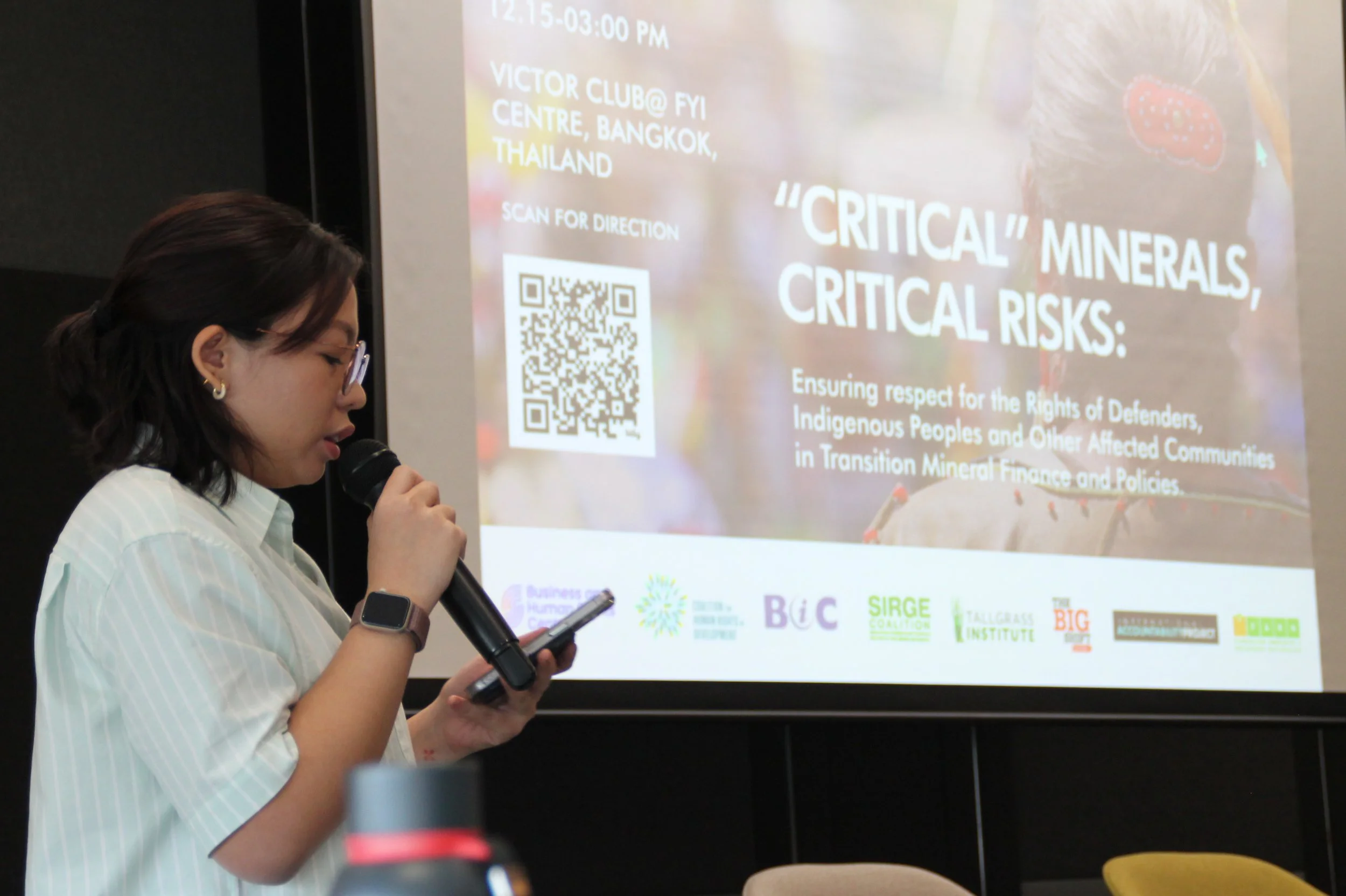
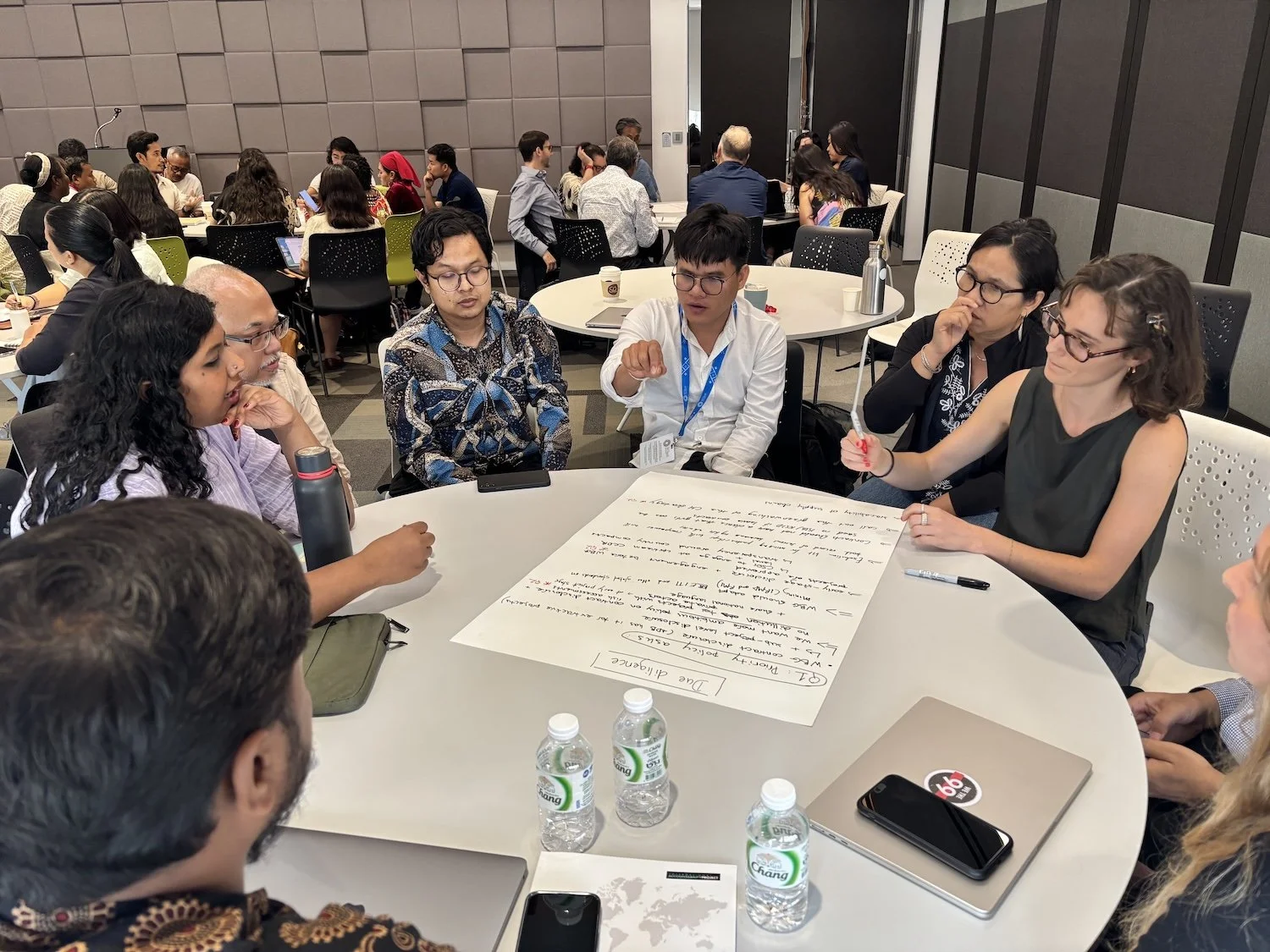
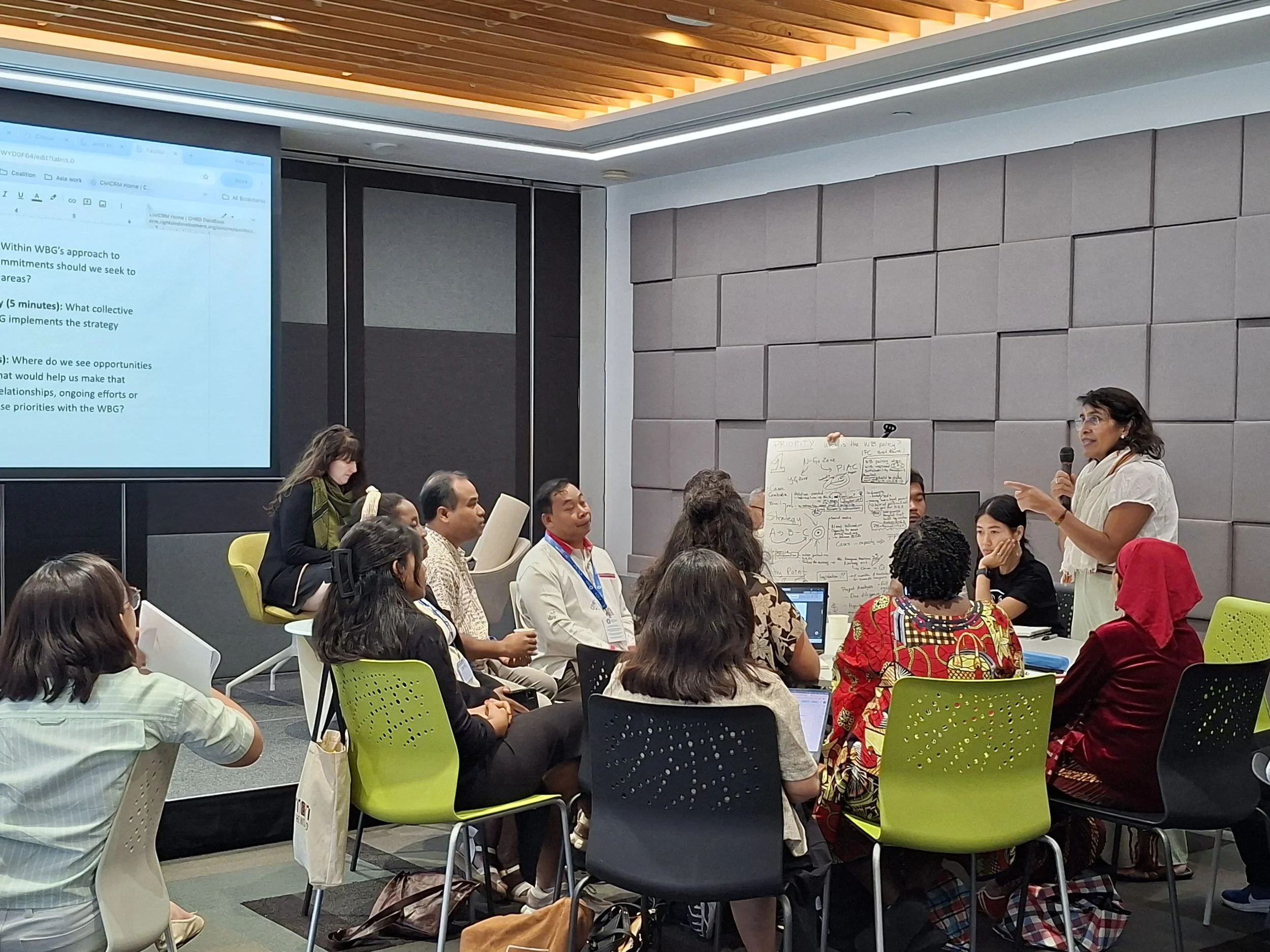
At the World Bank–IMF Annual Meetings in Bangkok on October 14, Tallgrass Institute joined partners for a discussion on the human rights and environmental impacts of transition mineral finance, drawing on the experiences of Indigenous Peoples, mining-affected communities, and human rights defenders.
The discussion came at an important moment.
During the Annual Meetings, the World Bank Group announced a target of $19 billion for metals and minerals over the next five years, alongside new Metals and Minerals Country Compacts and Partnerships with Argentina, Bolivia, Egypt, India, Kazakhstan, Malawi, Mauritania, and Zambia.
As the World Bank Group moves from strategy to implementation, another process deserves close attention: the ongoing review of IFC’s Sustainability Framework and Performance Standards.
The World Bank Group’s Metals and Minerals Strategy is not limited to financing individual mines. It includes policy and regulatory reform, infrastructure, investment and the mobilization of private capital. Depending on how World Bank Group support is structured, projects will be governed by either the World Bank’s Environmental and Social Framework or IFC’s Performance Standards.
This means the IFC Sustainability Framework review cannot be viewed separately from the World Bank Group’s expanding minerals agenda. The standards being revised now will help shape how future IFC-supported investments identify and address impacts on Indigenous Peoples, including land and territorial rights; free, prior and informed consent (FPIC); cumulative impacts; human rights due diligence; reprisals; accountability; and remedy.
The scale of the issue is significant. Research by Owen et al. found that 54% of 5,097 energy transition mineral projects examined globally are located on or near Indigenous Peoples’ lands.
For Indigenous Peoples, meaningful participation therefore cannot begin only once an individual project reaches consultation. Decisions around national mineral strategies, enabling infrastructure, financing, and investment can already shape what happens on Indigenous lands and territories long before a mine is approved.
Tallgrass has been engaging in the IFC Sustainability Framework review with a focus on strengthening the recognition of Indigenous Peoples as rights-holders, advancing FPIC, and ensuring that due diligence and accountability respond to the realities Indigenous Peoples face on the ground.
The discussions in Bangkok reinforced why these processes need to be considered together. As mineral financing expands, the rules governing that financing, and the ability of Indigenous Peoples to shape them will be central to whether the energy transition respects rights or reproduces existing harms.
We are grateful to our partners and to the Indigenous leaders and community representatives who brought their experiences and expertise into the discussion in Bangkok, including the Coalition for Human Rights in Development, International Accountability Project, Fundación Ambiente y Recursos Naturales (FARN), Business and Human Rights Centre, Bank Information Center, Big Shift Global, and SIRGE Coalition.
Photos by the Coalition for Human Rights in Development; see more.